Product, article, SKU Where to put a difference
By Elias Gröndal, Founder & CEO at Resourced. Updated .
 Antique White
 Blue
Blue
 Black
Black
 Shocking Orange
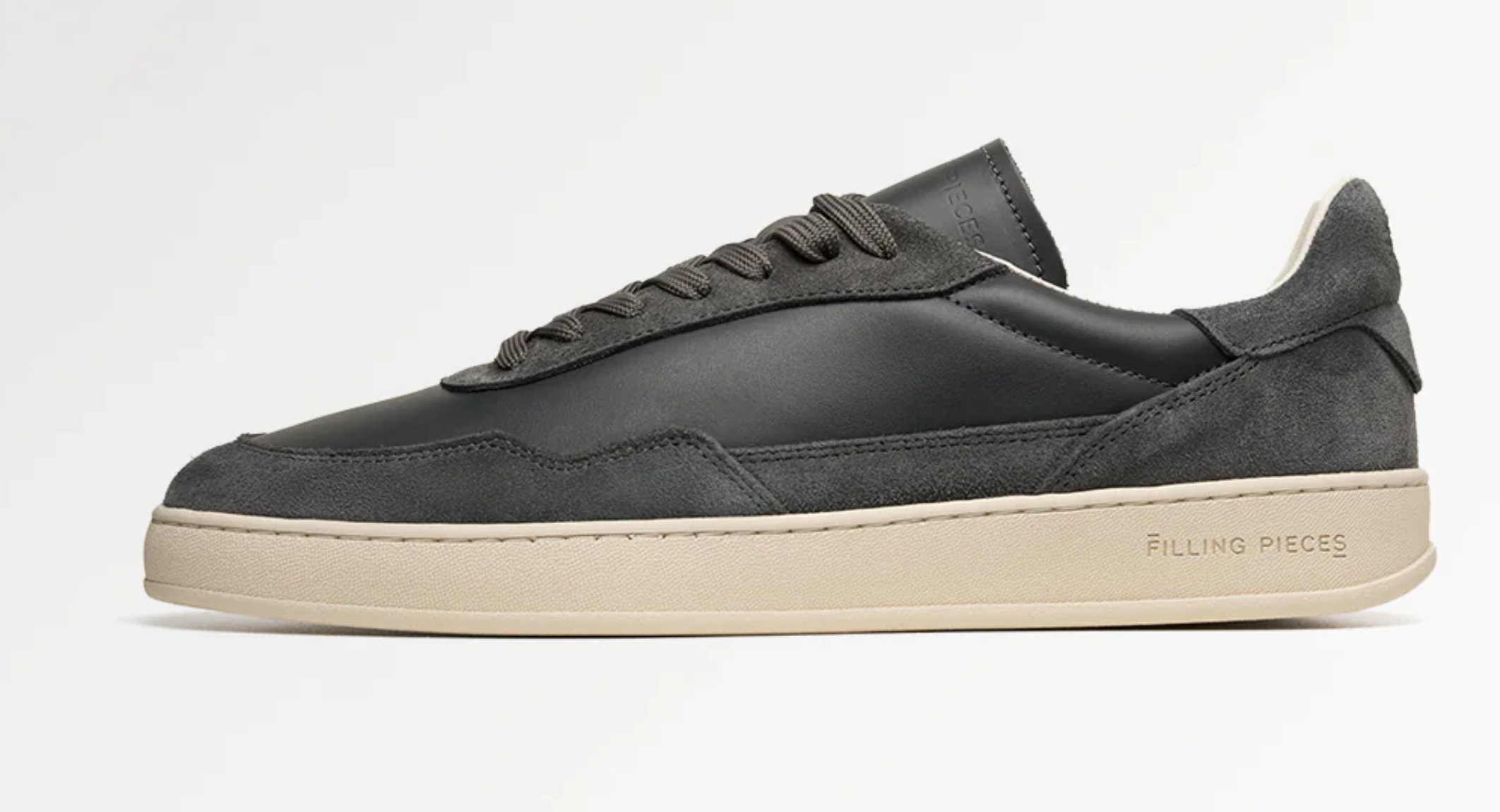 Dark Gray
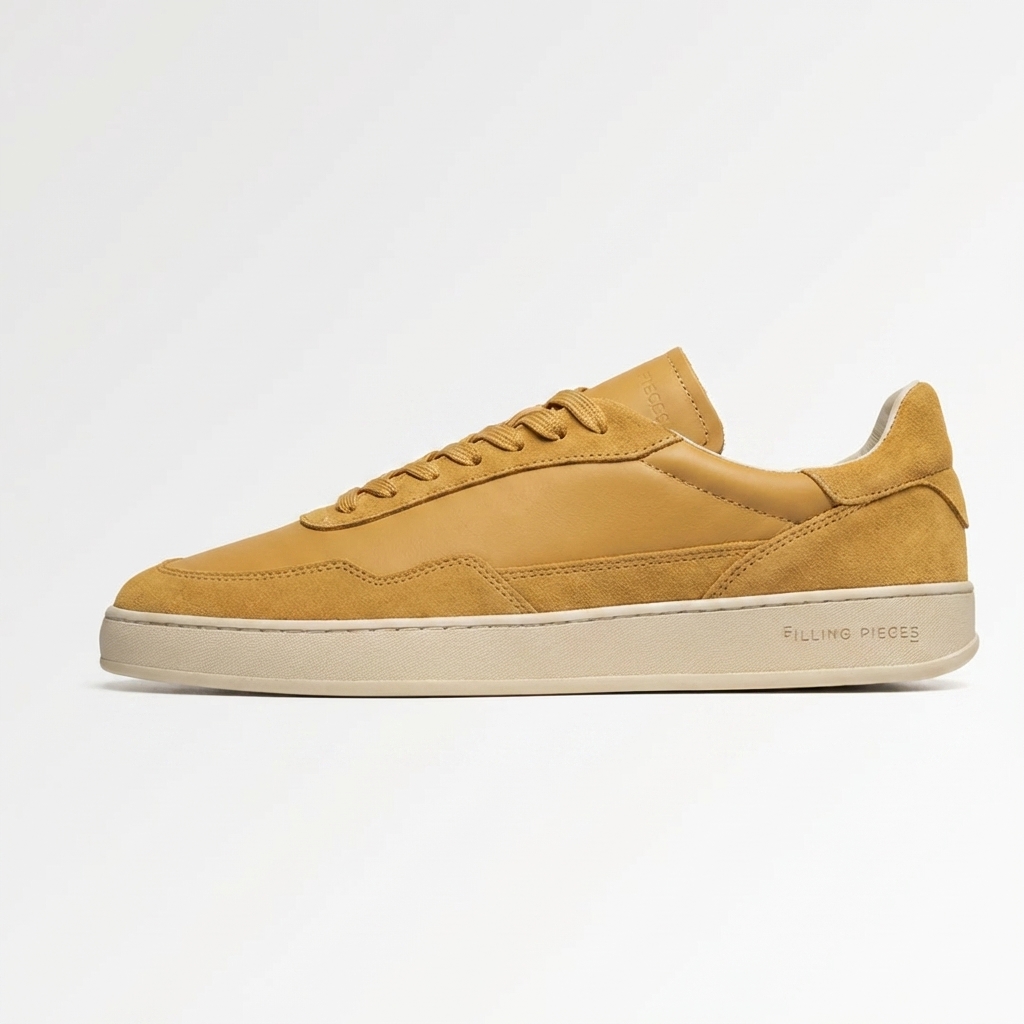 Mineral Yellow
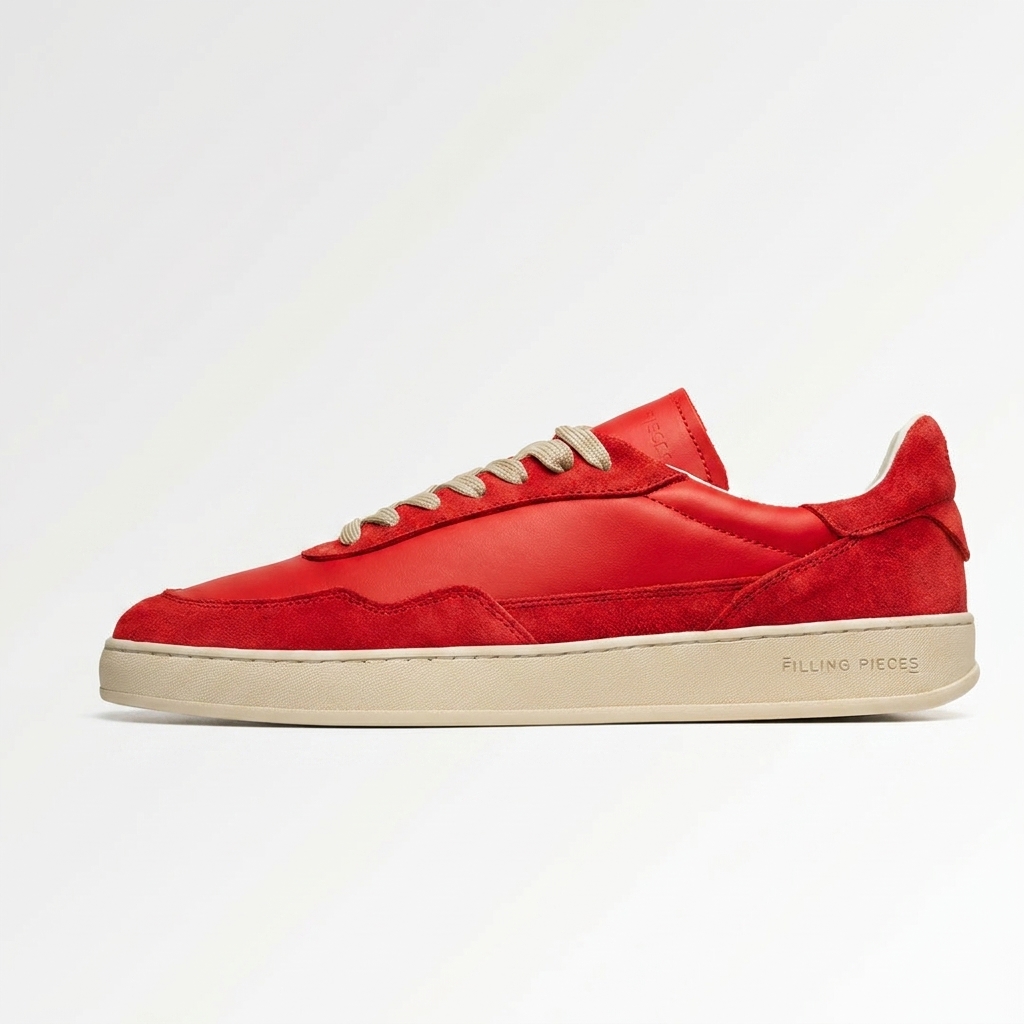 Red
Red
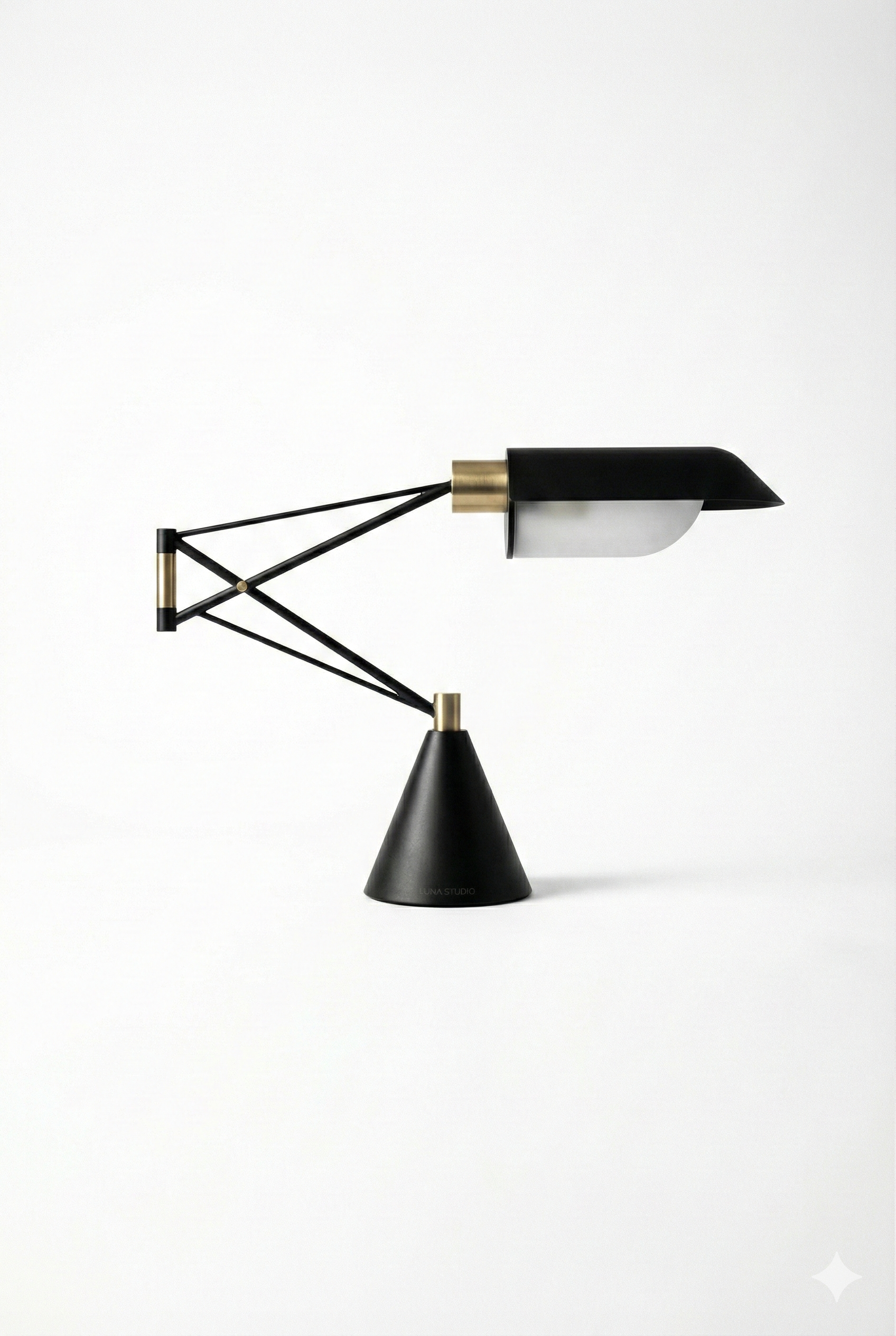 Black
Black
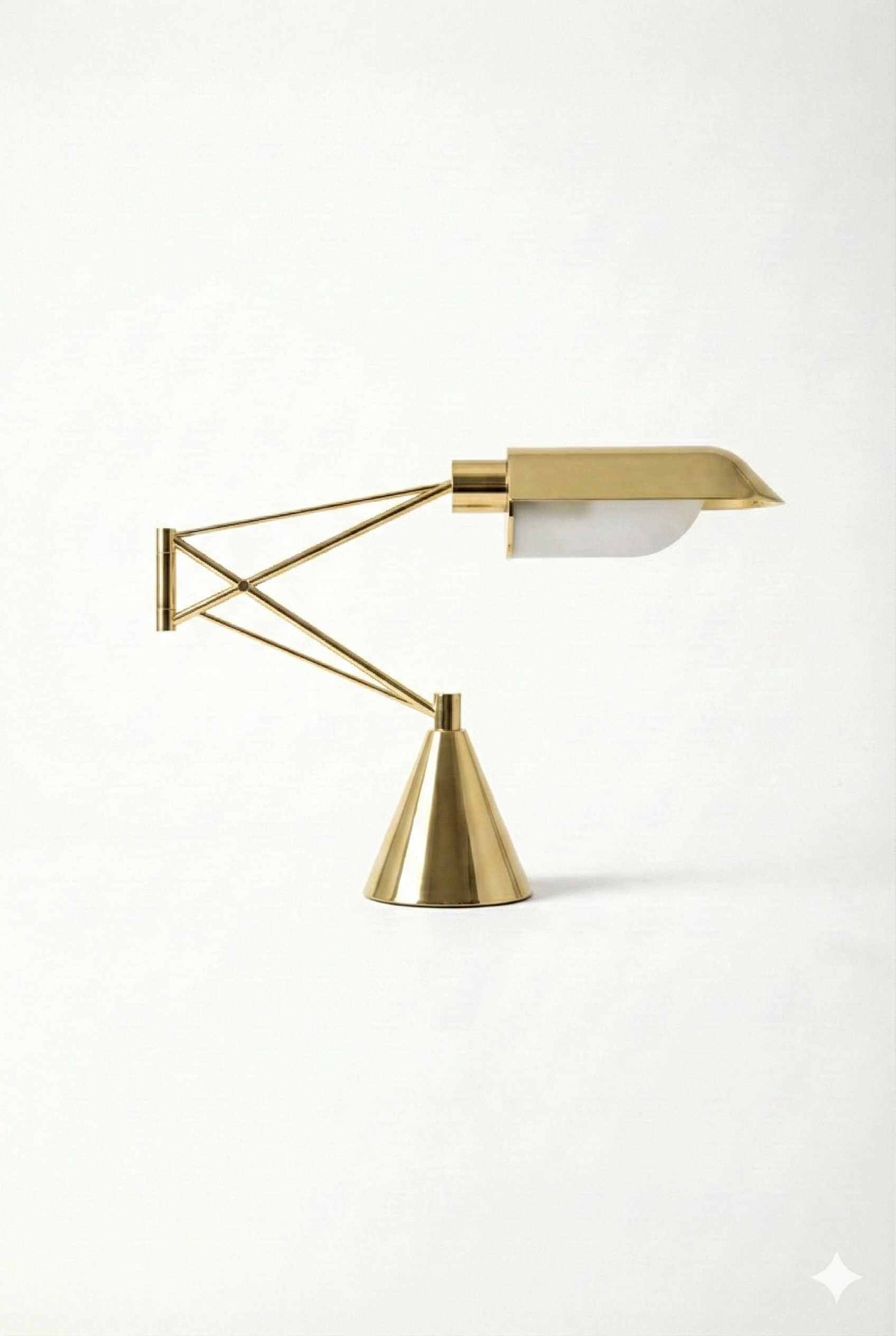 Gold
Gold
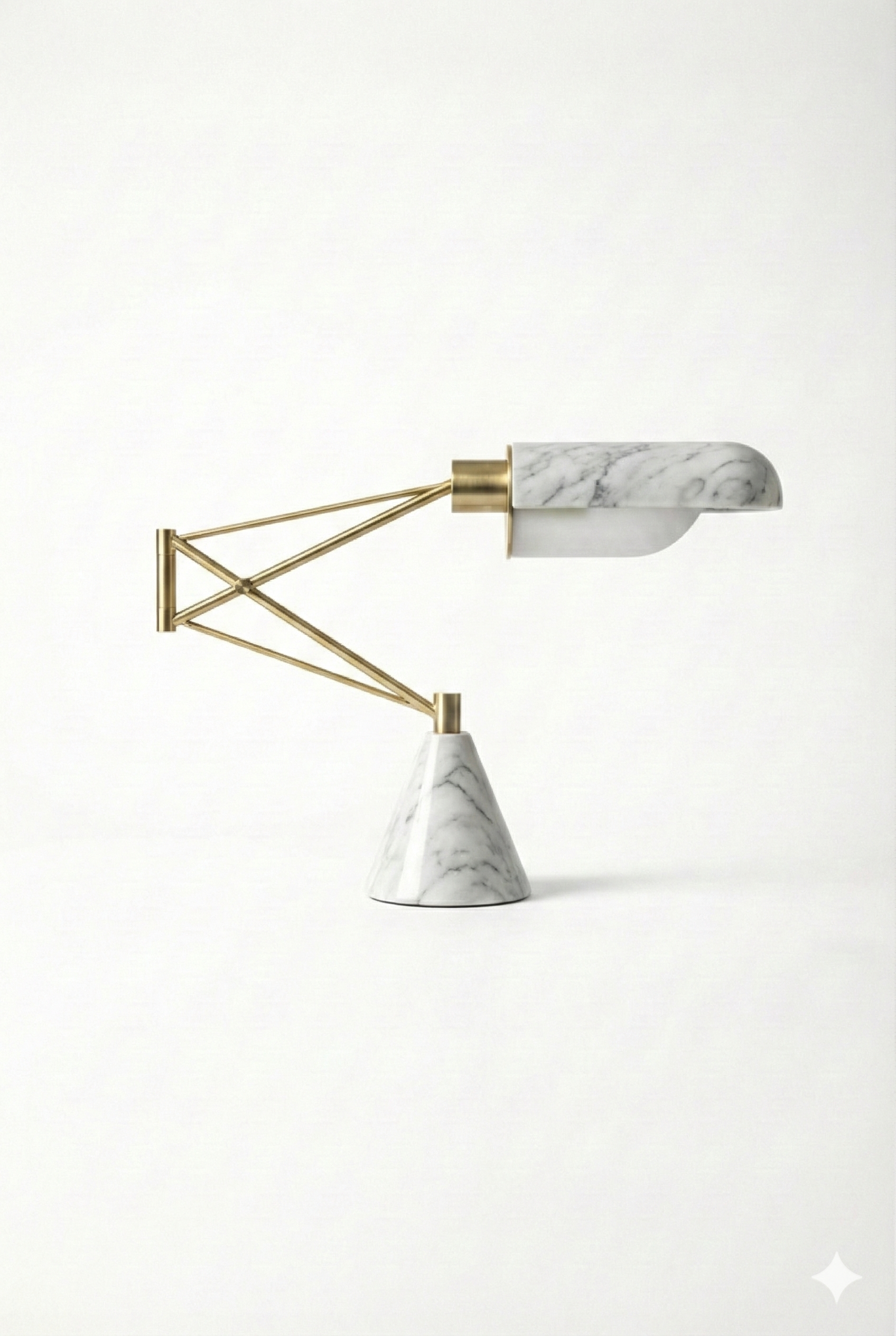 Marble
The three levels
Most brands keep all three in one spreadsheet, where a row is sometimes a style, sometimes a colour and sometimes a size. Naming them is most of the job.
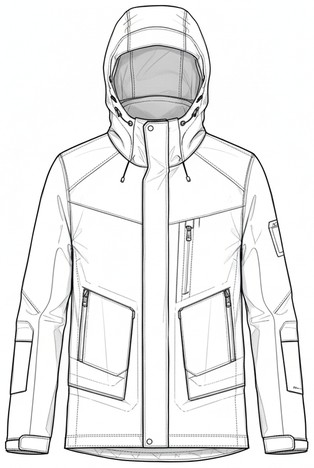
Here is the Aero 3L Jacket from our Hydro range, one level at a time.
Aero 3L Jacket the style
Drawn once, for every version it will come in.
- What it is made of: the parts list, per season
- Measurements, and the size system
- Where it sits in the hierarchy
- Style images and files
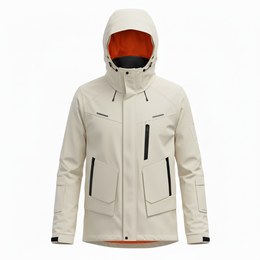
Antique White one version
Where most of the work happens.
- Colour, material, gender and its size run
- Status
- Supplier, cost and price, per season
- Which parts it uses, and in which colour
Antique White, size M one size
What a barcode and an order line point at.
- Size
- EAN and other codes
- Weight, on brands that hold it per size
- Its own price, if you price per size
Why grouping pays
One parts list, one set of measurements, one place in the hierarchy — shared by every version. Change the fabric once and all six colours are right.
A late colour is then almost free. It inherits the build, and you only change the parts that differ.
Split a style in two and you keep the same thing in two places, forever.
Where a difference goes
Write down what actually differs. Colour, fabric, gender, length, volume, packaging.
Then put it at the lowest level that can hold all of it. Everything above is entered once.
Ask it the other way round as well: does more hold these two together than separates them? If it does, keep them together.
The more two things share, the further down they belong.
Going too low does not work: the level cannot hold the difference, so you write exceptions instead. Going too high costs you a second copy of the build, the measurements and the images.
Four cases
Apparel is easy, because the difference is nearly always colour. Hardware and interiors are where the judgement is.
A jacket in six colours
Only the colour differs.
Articles. The easy one.
A pillowcase in 80×50 and 60×60
Same cloth, same seam, same label, same packaging. Only the cut and the price change.
Sizes, if you think of them as sizes of one cover. Its own product if each was designed and sold as its own thing. Both work — pick the one that saves you data entry.
Ski wax in 60 g and 180 g
The size is really a container. The 60 g and the 180 g tin are developed separately, each with its own label and box.
Articles, not sizes. A shoebox that scales with the foot is still a size; a container drawn and sourced on its own is not. Same for a fragrance in 30, 50 and 100 ml.
A men’s and a ladies’ version
Is it one thing or two in your own head? Gender and the size run are set per article either way.
Two products if you run them as separate things. Articles if the only real difference is the measurement list. Either way they must share one size system.
When you have no choice
The build is developed separately. Sizes share one parts list, so packaging that simply scales is fine. Its own tin, its own box, its own artwork — that is an article at least.
The size system changes. Then it is not the same product. A product uses one size system for all its articles.
The construction changes. A crew and a v-neck need two tech packs, so they are two products.
Never a reason to split
A new season, a new supplier, a new price, a new market. All of those are fields on the article. A carryover style stays one product and picks up the new season’s suppliers, prices and tags.
In Resourced
Articles are created under a product and inherit its build. Per season an article carries its own suppliers, prices, tags and parts list. Status is not per season — an article has one.
Gender is set per article, and unisex is men and women together. The size run is per article; the size system is per product. Weight is held per size on most brands, and the article then shows the range across them rather than a figure of its own. Images work at both levels.
Moving in from a spreadsheet? Take twenty rows and mark each one P, A or S. The rows people disagree about are the whole conversation.
Questions
Is an article always a colour?
Colour is the most common line to split on, not the rule. Plenty of brands keep one product and split the articles by gender or by material instead. What matters is that the general concept is the same — the same thing, built the same way. Where you draw the line is your choice.
Are different sizes of a pillowcase SKUs, articles or products?
All three can be right. If only the cut and the price change, they are sizes. If the packaging is developed separately rather than just scaled, they are not — sizes share one parts list. If each was developed and sold as its own thing, it is its own product.
Men’s and ladies’ — one product or two?
How your brand thinks about it decides. If men’s and ladies’ are designed, merchandised and talked about as separate things, make them separate products. If the only real difference is the measurement list and a few details, one product with two articles is simpler. Ask whether more holds them together than separates them. The one hard limit: a product uses one size system, so S–XL alongside 36–46 has to be two.
Why does the weight on an article show a range?
On brands that hold weight per size — the usual setting, because an M weighs less than an XL — the article shows the range across its sizes and flags any size with no weight yet. Its own weight field stays empty, which is what an export reads. Brands that keep weight on the article instead see a single figure and no range.
Before you decide
- What does one row in your spreadsheet mean? Style, colour or size.
- For your hardest case, what actually differs? Write the list, then find the lowest level that holds it.
- Does the packaging scale, or is it developed separately? Scaling is fine. Drawn and sourced on its own is a sign of a different article.
- Do all versions share one size system? If not, they cannot share a product.
- What do your ERP and webshop call each level? Their “product” is often your article.
Settle this alongside how the number is built and how deep the hierarchy goes. Article numbers that last · Building a hierarchy that scales