Workwear
Keep every specification within reach.
Bring materials, supplier information and product documentation together for workwear that needs to perform, season after season.
Explore the workflow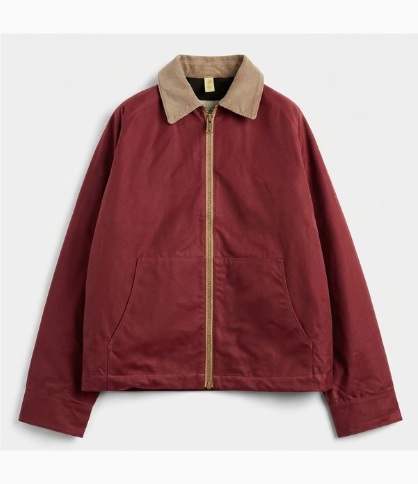
A dependable range starts with a clear product record.
Workwear development brings detailed specifications and long-running styles together. A material substitution, supplier change or new size needs to be reviewed in the context of the product.
Keep the relevant specifications and supporting documents accessible to the people developing, sourcing and buying the range.
Organise the materials
Keep component composition and supplier information together, with references from the products that use them.
Prepare for repeat orders
Return to the product's materials, measurements and supplier details when planning the next order.
Support the specification
Keep test reports and supporting files with the relevant product or material. Your team remains responsible for checking suitability and requirements.
Inside Resourced
Start with the materials behind the product.
Browse components by type, composition and supplier. This Hydro library illustrates the shared workflow for reviewing material information.
Press play to explore. Use fullscreen for a closer look.
More industries.
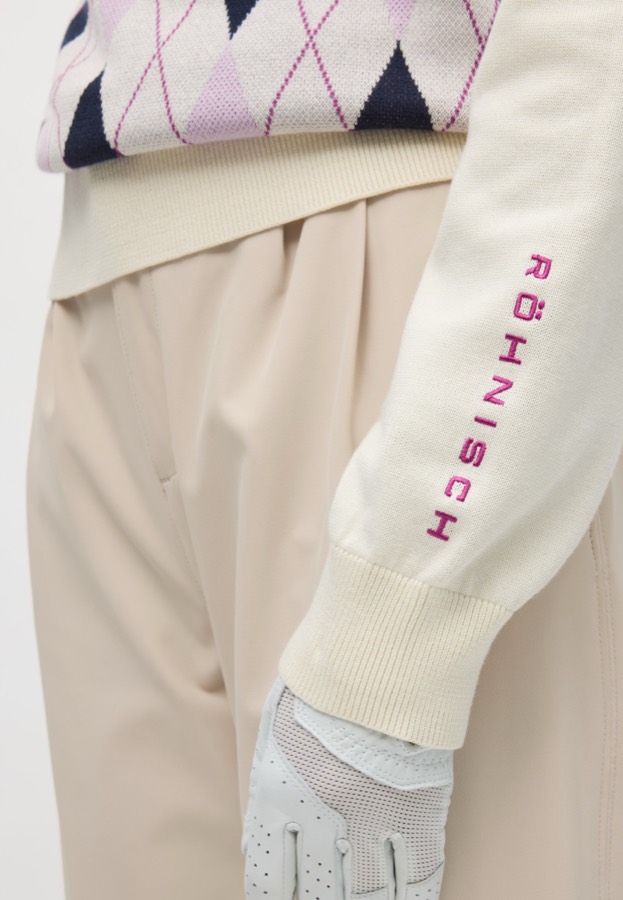
Outdoor & performance
Technical materials and sample feedback, in one place.
Explore outdoor & performance
Home & textile
Keep dimensions, colours and continuity ranges organised.
Explore home & textile
Footwear
Connect components, suppliers and each development round.
Explore footwearSee how your team could work. A live product walkthrough focused on your range, your suppliers and your development process.
- One article end to end: colourways, components, suppliers, costs.
- The board, the tech pack and the BOM on that one style.
- Discuss how your current product information could be brought into Resourced.
30 minutes, no deck.