Fashion & apparel
Bring your next collection together.
Develop styles, colourways and collections with your team and suppliers working from the same product information.
Explore the workflow
Keep the collection connected as it develops.
A fabric change affects more than the tech pack. Your team also needs to review colourways, samples and prices. Resourced keeps those details together, so decisions can be made with the product in view.
Plan your assortment using real articles, then follow each style through development, supplier feedback and ordering.
See the assortment
Browse articles by product, season or status, with images and filters that make a collection easy to review.
Develop every colourway
Keep materials, sizes and specifications with the product instead of rebuilding the same context in separate files.
Bring costs into the conversation
Review cost, selling prices and margins alongside the styles your team is developing.
Inside Resourced
Explore a collection in Resourced.
The Hydro article board groups colourways by product. Filters and horizontal browsing make it easy to move through the assortment.
Press play to explore. Use fullscreen for a closer look.
More industries.
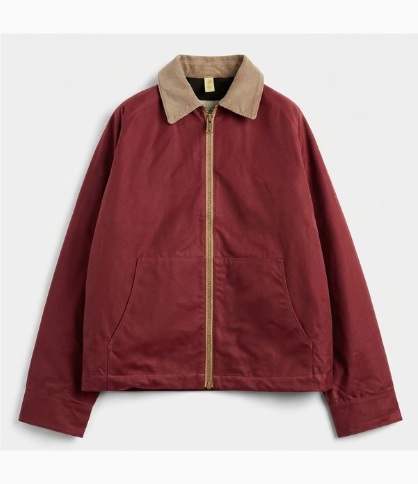
Workwear
Materials, specifications and repeat orders, connected.
Explore workwear
Outdoor & performance
Technical materials and sample feedback, in one place.
Explore outdoor & performance
Home & textile
Keep dimensions, colours and continuity ranges organised.
Explore home & textileSee how your team could work. A live product walkthrough focused on your range, your suppliers and your development process.
- One article end to end: colourways, components, suppliers, costs.
- The board, the tech pack and the BOM on that one style.
- Discuss how your current product information could be brought into Resourced.
30 minutes, no deck.