From idea to product in a breeze
One platform for everyone on your team, from C-suite to manufacturer. Below is the season in the order you live it, and what each module does when you reach it.
Everything you need at your fingertips.
A platform that performs. Eight modules on one article record. Each one is a link to the part of the season it belongs to.
Create products
The intuitive interface allows product creation at your own pace. Add colourways and materials while building your product. Don’t worry about creating article numbers or EAN codes; they are handled in the background.
Collection planning
The intuitive visual interface allows you to sort, filter, drag and drop your collection to fit your vision and timeline. Proactive scheduling suggests timelines based on product data.
Component transparency
While creating your bill of materials you are also automatically building your component library, to keep track of each component used, for complete transparency.
Tech packs
Creating a full tech pack has never been easier. And it is directly integrated into a sample request.
Sample management
Follow all pending prototypes, from single samples to fully graded sets. Monitor standards, track status and make comments on samples to clearly direct suppliers on next steps.
Pricing clarity
See individual pricing for products, articles, sizes, duties, transport and more, so your costing calculations are managed at every level.
Quantify, plan & place orders
Clear, confirmed delivery dates from suppliers ensure your planned quantities become actual orders. On-time delivery is monitored and saved continuously.
Monitor production
Tracking numbers and status come from the supplier while the order is still running, so a delay is visible early enough to do something about it.
The article and the calendar are set here, and every step after reads them. A name typed twice or a drop date left open is paid for eight steps later.
The article is the only place the style exists. Size systems, colourways and supplier are set here and read everywhere after. The tech pack, the price list, the order and the storefront all point back to this record rather than keeping their own copy.
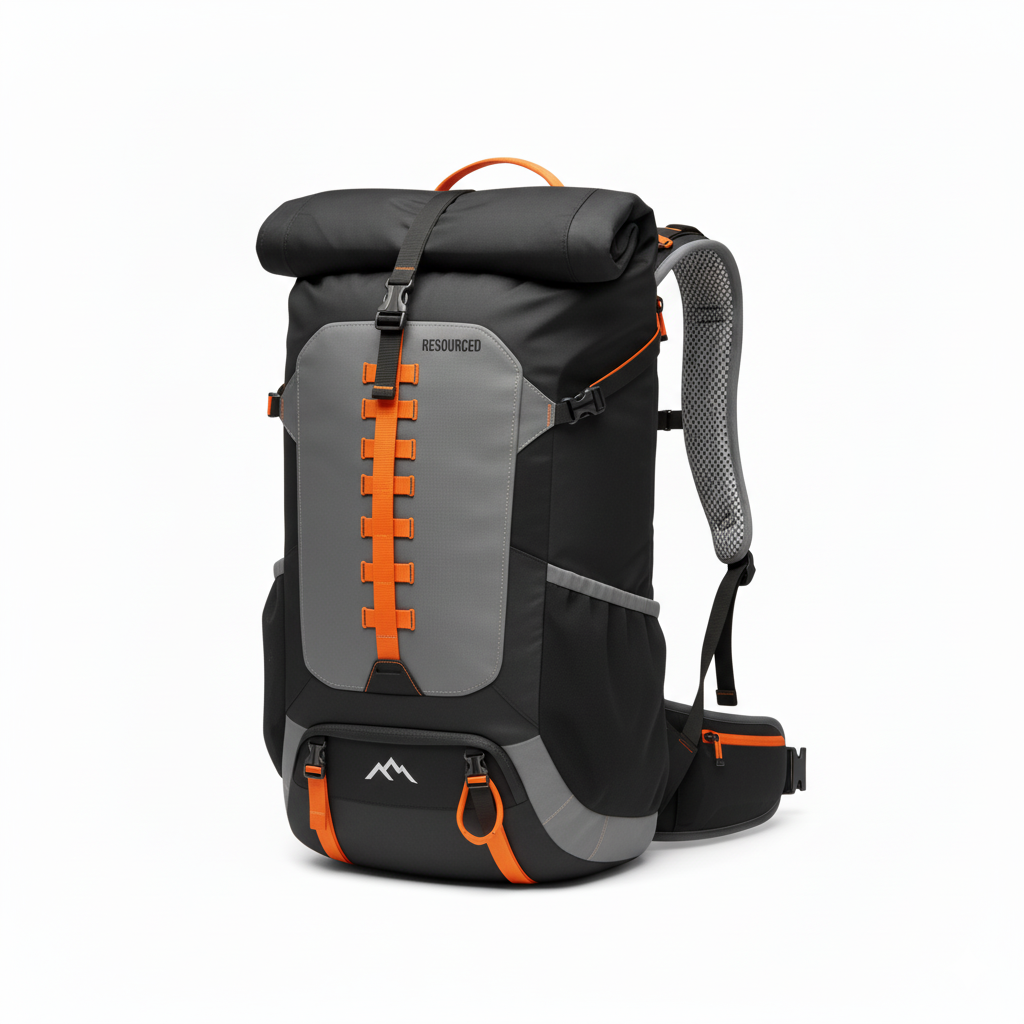
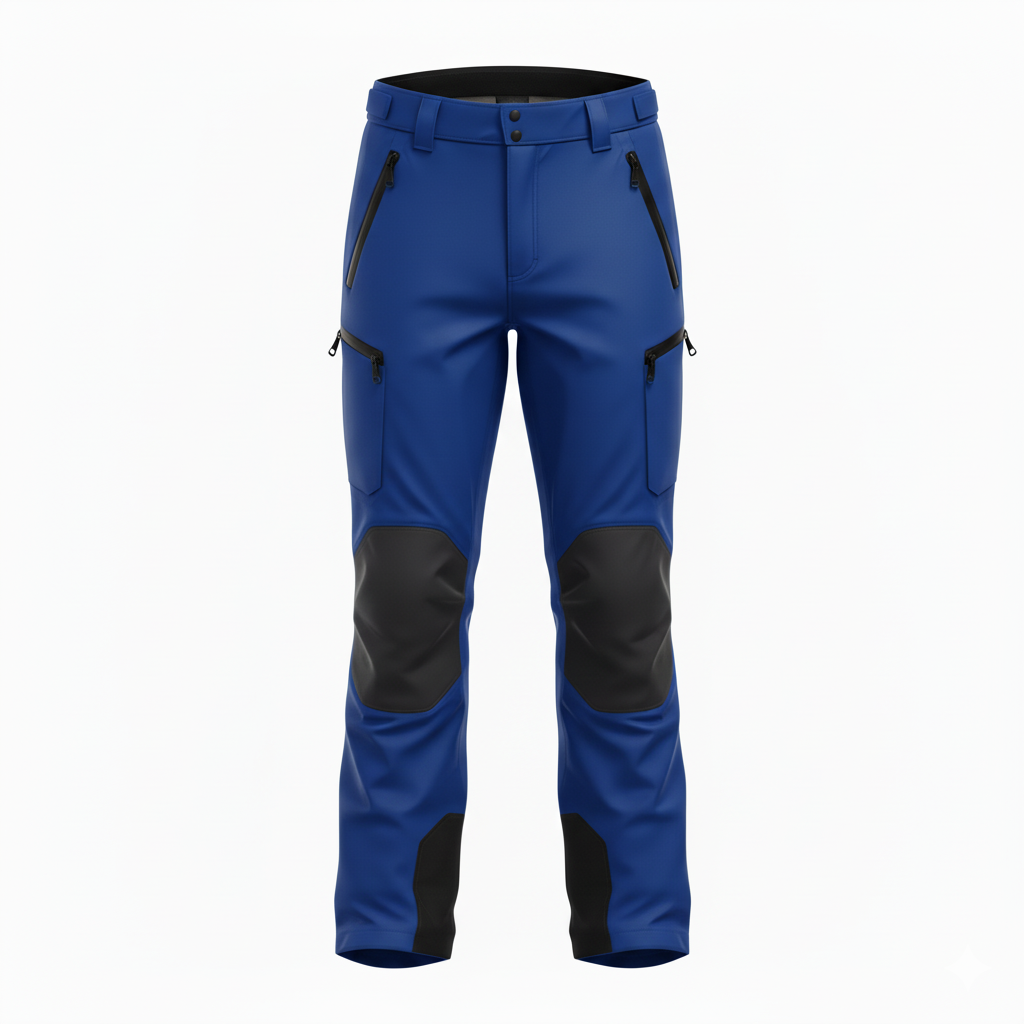


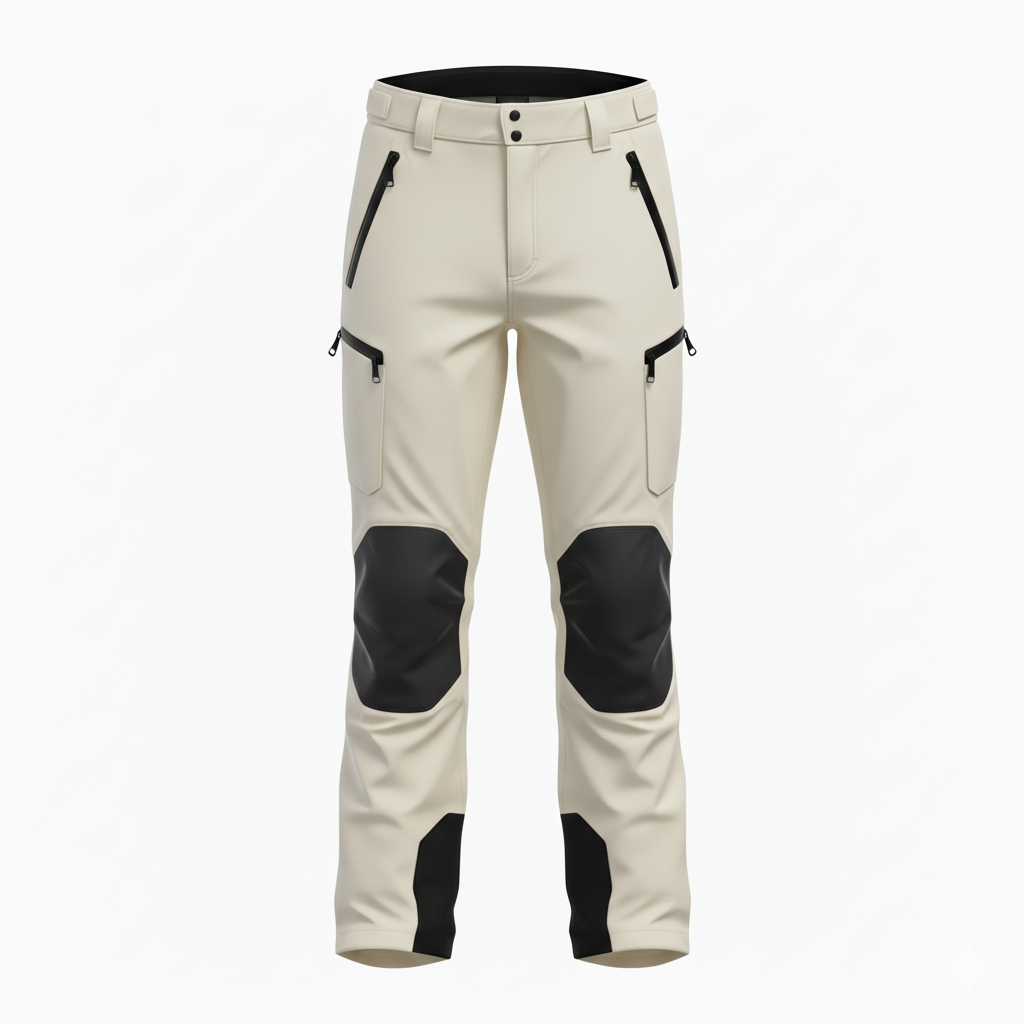
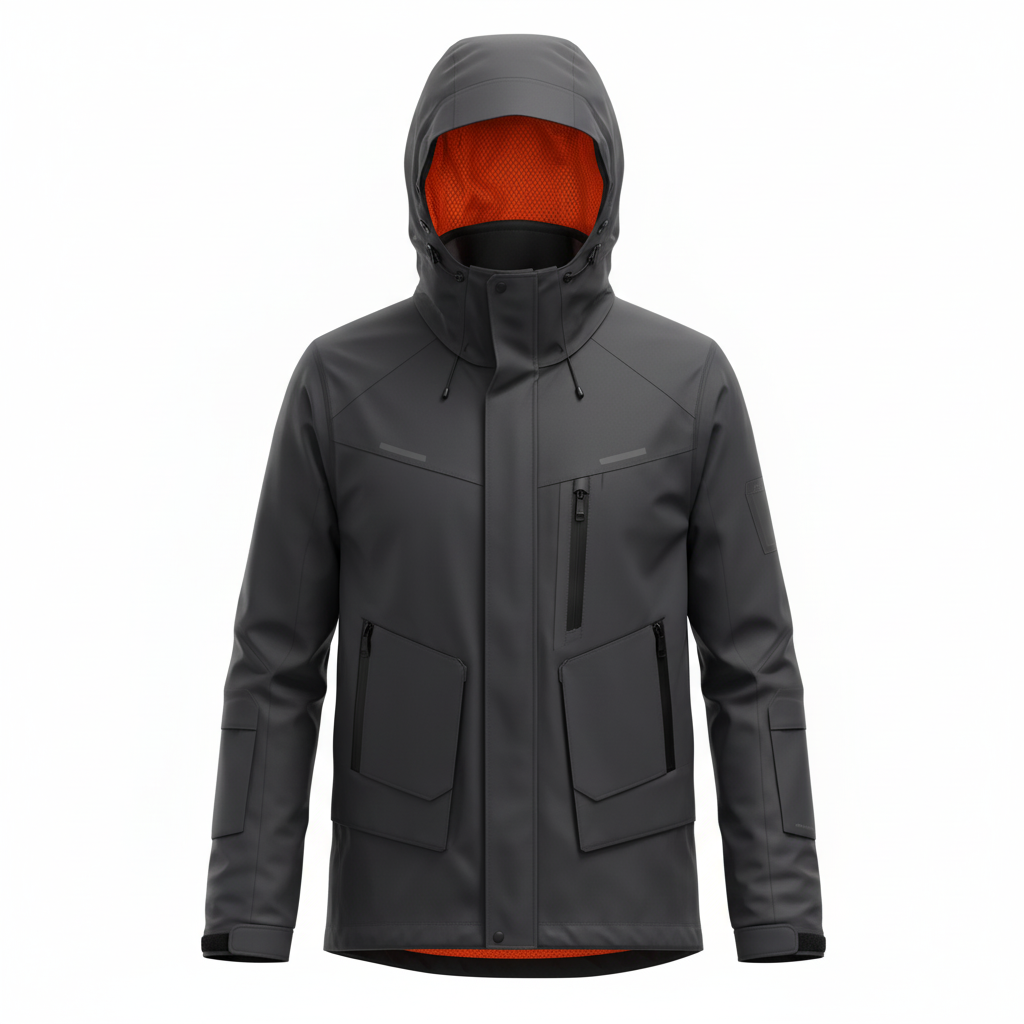
A drop is a decision about what the customer sees together. On the board you see the products, not their row numbers, and moving a style between drops moves its development dates with it, so the plan and the calendar cannot drift apart.
Seasons attach to the article rather than being baked into it, so 10238 carries SS26, AW26 and SS27 at once. Where the bill of materials is identical, those seasons share one BOM and are edited together, and a single season is split out only where it actually differs.
Tech pack, cost and supply chain are built from the same components. Connect them once and pricing, compliance and the factory all read the same thing.
Every component is one BOM line, connected to the colourways it belongs to. The connection carries the colour, the supplier and the quantity, so the factory reads a position and a reference instead of a sentence, and a change to the component reaches every colourway at once.

 Landed cost build-up
 Price list
Landed cost is built, not typed: the factory price, then freight, duty and handling per destination. Because the build-up is live, changing the destination re-costs the style and every price list shows the new margin immediately.
The supply chain is recorded as it is created, one tier at a time, down to raw material. An unknown tier stays in the tree as an open request rather than being left out, so the gap is visible long before a report is due, and what you are left with is a product record that is DPP ready.
Fit and quantities close the loop. Both are judged against what was planned, not against the last email.
Every round stands beside the ones before it on the same chart, so the fit is read as it evolves rather than remembered a round at a time, and your own measurements sit next to the supplier’s on the same row. Deviations and approvals update the tech pack as they are made, which is what stops the same comment arriving three rounds running.
Quantities are entered once, per size and destination, against the article the plan already knows. Labels are generated from what the tech pack already holds rather than retyped, and the order posts outward from the same record, so the ERP and the warehouse are reading the order rather than a copy of it.
Read further
Three decisions worth their own page
It connects to the systems you already run.
Brands run Resourced alongside their commerce, planning and finance systems. Some of those connect quickly; the rest go through the API, which is how most of this is done in practice. Tell us what you run and we will tell you what it takes.
Commerce
- Shopify
- Centra
Planning and analytics
- Madden Analytics
- Emfas
Through the API
- ERP
- WMS
- BI tools
See it on a real season. A live walk through the product on a worked season, with your own way of working in mind.
- One article end to end: colourways, components, suppliers, costs.
- The board, the tech pack and the BOM on that one style.
- What moving your current season across would take.
30 minutes, no deck.